200K+ platform users
Led product strategy and rebuilt a streaming and payment platform. Full-film views per visitor rose 91% and recurring payment revenue per visitor reached 2.65× baseline.
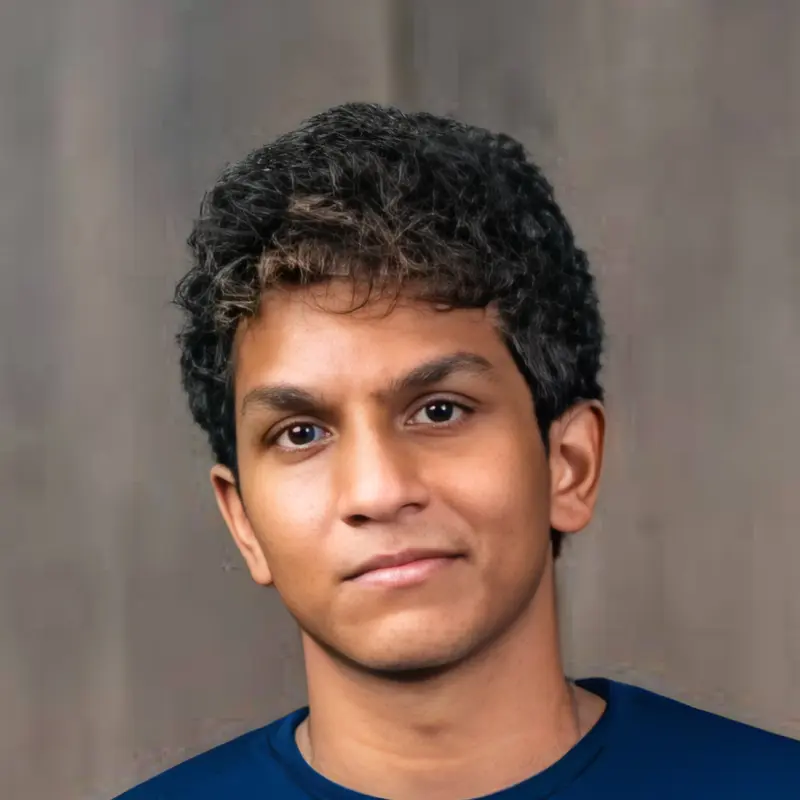 Anish WijesingheForward-Deployed Product Engineer
I’m a forward-deployed product engineer. I work directly with teams to understand their problems, shape the product, and build it from discovery through production. I came to software through 3D animation and game design. What began with tools and tutorials for other creators grew into Motion Miracles, a studio I founded and led. We developed games published by Voodoo and interactive experiences for UNDP.
Today, through Mandala Works, I’m back to the work I love most, working with teams to shape and build products I believe in.
Led product strategy and rebuilt a streaming and payment platform. Full-film views per visitor rose 91% and recurring payment revenue per visitor reached 2.65× baseline.
Founded and grew a game and animation studio across 10 countries. One game passed 1M downloads in its first week and reached 200K peak daily active users.
Created animation tools and assets distributed across 70+ countries. Animation and tutorial channels I created or led reached 100K+ combined YouTube subscriptions.
My background in animation and games shapes how I think about an experience. Founding studios taught me to connect creative ambition with commercial decisions.
I work directly with founders and teams, using prototypes to make ideas concrete and agree on what to build. I stay with the work through engineering, launch, and what we learn from people using it.
Shaping product direction with founders and stakeholders, connecting business goals to scope, technical decisions, and team delivery.
Building the systems behind live products, from identity and payments to data pipelines, reconciliation, and analytics that teams can use to make decisions.
Combining animation, interaction design, and real-time 3D to build expressive experiences, explore ideas, and create tools for others.
Designing agent workflows and connecting tools, data, and context to support development, testing, review, and delivery.
When I was seven, I worked out how to throw a paper ball over the school building.
We played high catches in the playground, but crumpled paper never travelled far enough. I tried wetting tissue, squeezing the water out, and wrapping it tightly in clear tape. It felt almost like leather. Other kids wanted one, so I started selling them, then spent the money on popsicles for those same kids and my brother.
I ran a little origami shop in my bedroom too. Whenever relatives came over, I invited them in to buy something.
Between the court and the computer
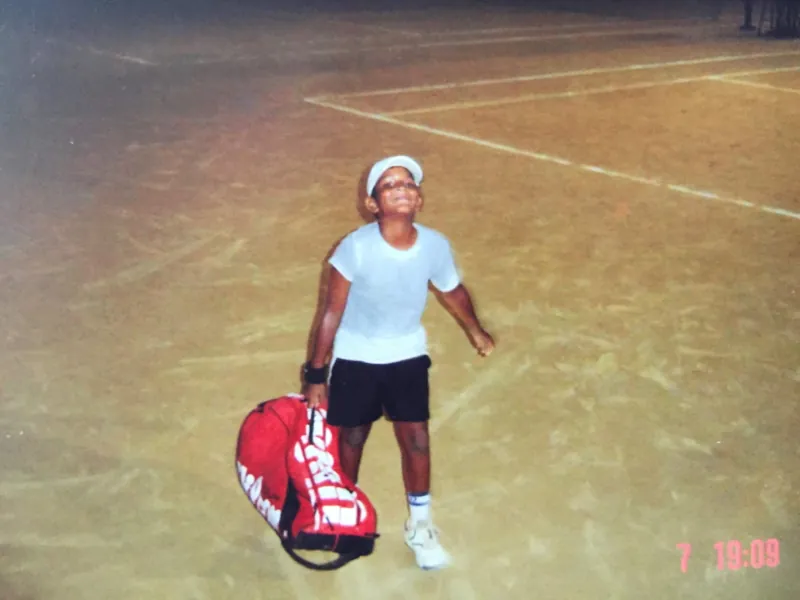
I started playing tennis at seven, too, hitting against our garage wall when nobody was around to play. By ten, I had won a national title in my age group.
We were also living through Sri Lanka’s civil war. I remember waiting downstairs with every light off when we heard planes overhead, so we wouldn’t draw fire. The war was why we were sent to the US.
In Florida, my parents supported my training at the Bollettieri Tennis Academy, where I became the under-12 champion. I wanted to play professionally.
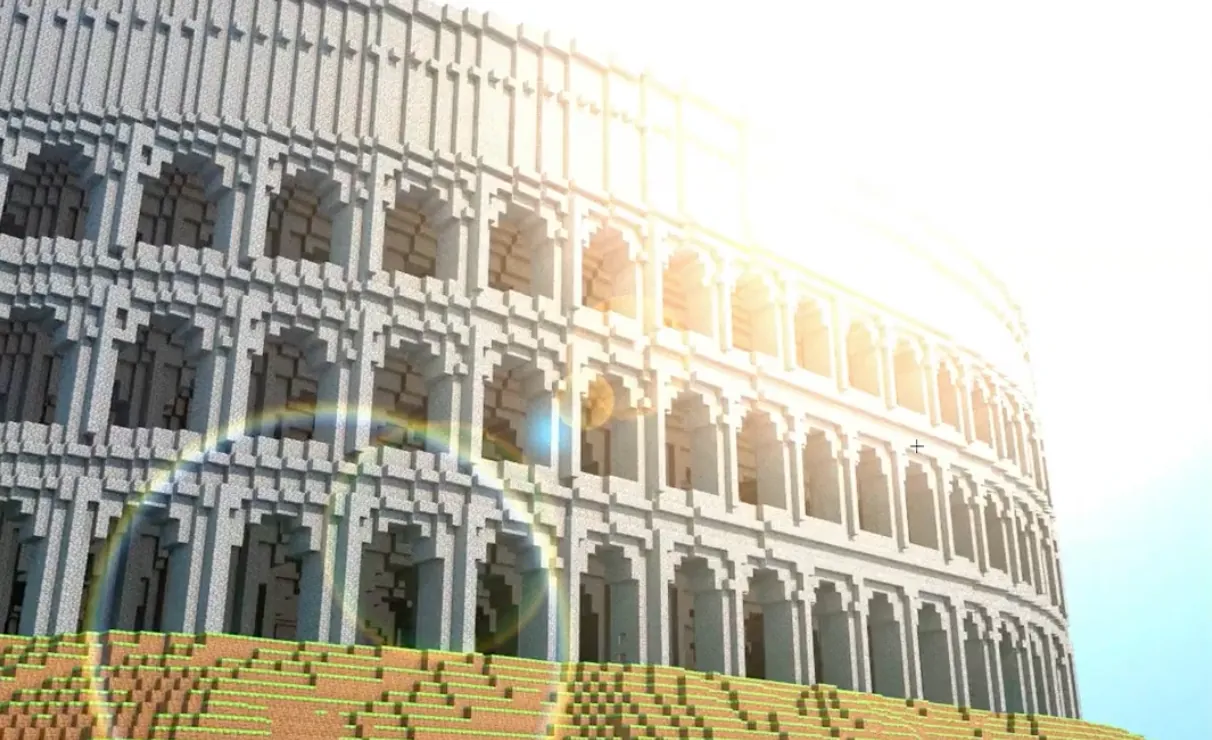
Away from the court, I played Minecraft with friends. I got interested in Roman architecture. About three months later, I had a Colosseum in Minecraft.
We later moved to France. At thirteen, I was training in Paris for around five hours a day, fitting online school around it, and learning French.
Then I saw Revenge, a CaptainSparklez Minecraft animation. When I was little, I’d spent hours making up stories with my Bionicles. I’d thought animation was something movie studios made. Could I now bring the stories in my head to life myself, in Minecraft?
Between tennis sessions, I taught myself Cinema 4D on the MacBook my parents had bought me. The laptop struggled with animation. Sometimes I’d move an object and wait several seconds for the screen to update. But I loved making animations enough to put up with the waiting.
Working around that laptop pushed me to find ways to animate faster. Around fourteen, I began sharing what I learned on my Anishwij channel, recording tutorials and making character rigs to help animators pose and move their characters. The tools I needed turned out to be useful to other people too.
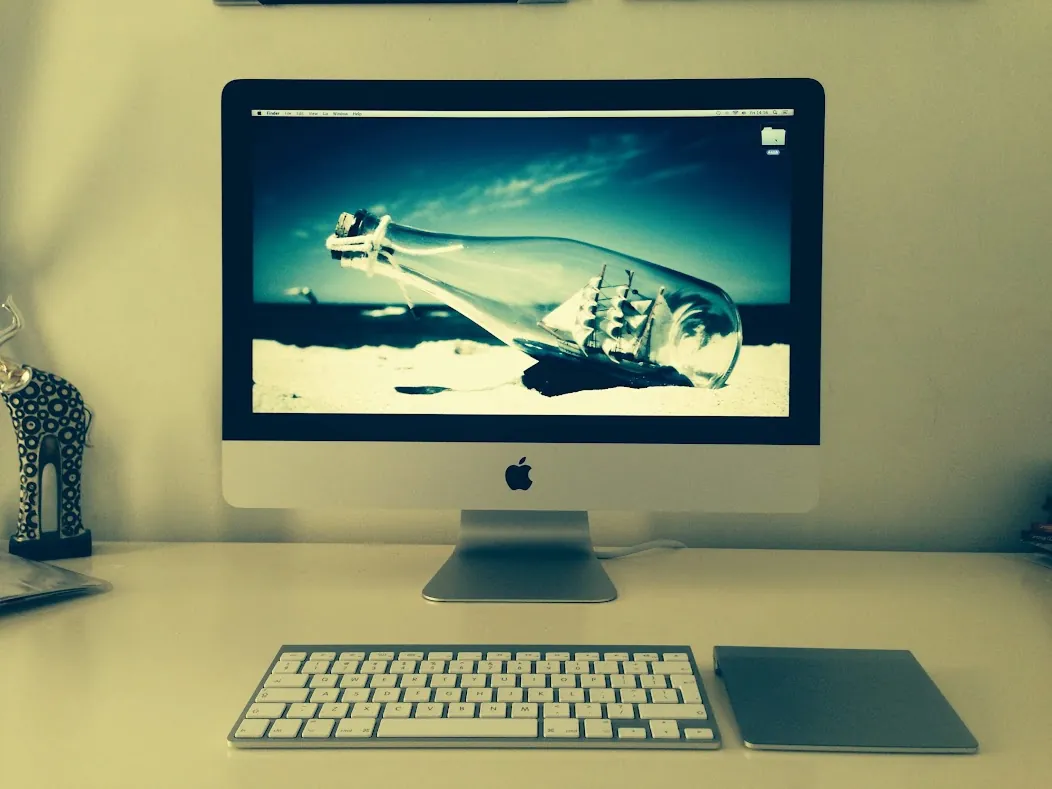
The early rigs were free; later versions became products. In 2013, I used the earnings to buy an iMac that could handle the animations I wanted to make.
By the time I finished school, my creative work had become a business. I wasn’t sure I wanted to go to university, but I still wanted to keep the tennis route open. I returned to Bollettieri to pursue places and scholarships at Division I universities. UC Davis was one of my options.
I deferred university and went back to France for one last attempt at professional tennis, but persistent injuries made it too difficult to continue. Letting go of tennis took time. My family and I had built much of our lives around it. Eventually, I decided to give my creative work my full attention.
Building bigger things
Animation let me bring the stories in my head to life. I wanted to take that further: let people step into those worlds and make choices that shaped their own stories. That was what drew me to game development.
The projects I had in mind were bigger than I could build alone. I returned to Sri Lanka to start Motion Miracles. My family was there, and I believed in the country’s creative potential. I wanted to help show what we could make.
There wasn’t an established talent pool locally for the games and animation we wanted to make. I drew on the years I’d spent making tutorials to build a curriculum for the team, with recorded lessons and projects they could work through. Training became part of joining the studio, helping people progress from learning the tools to working on productions.
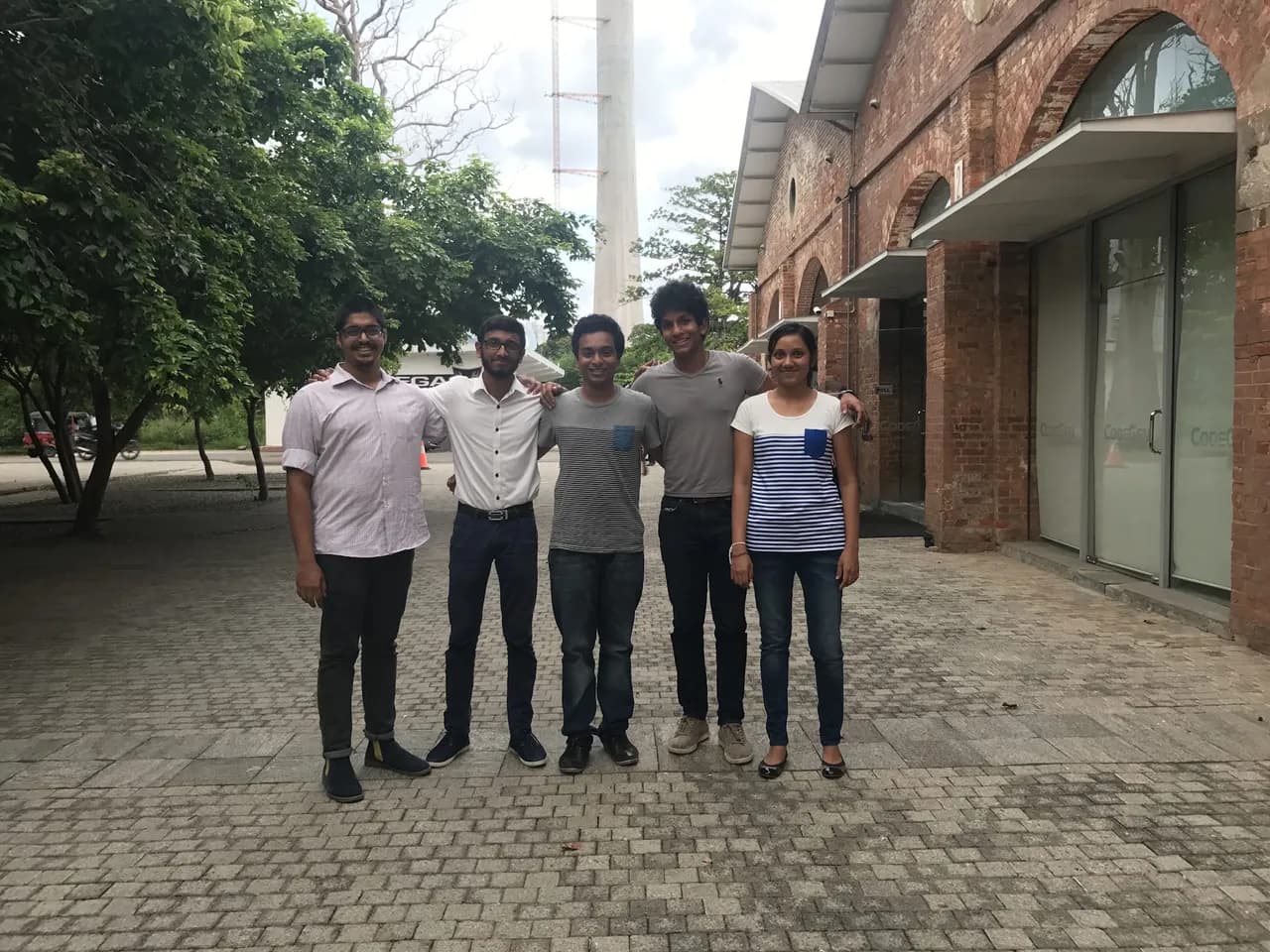
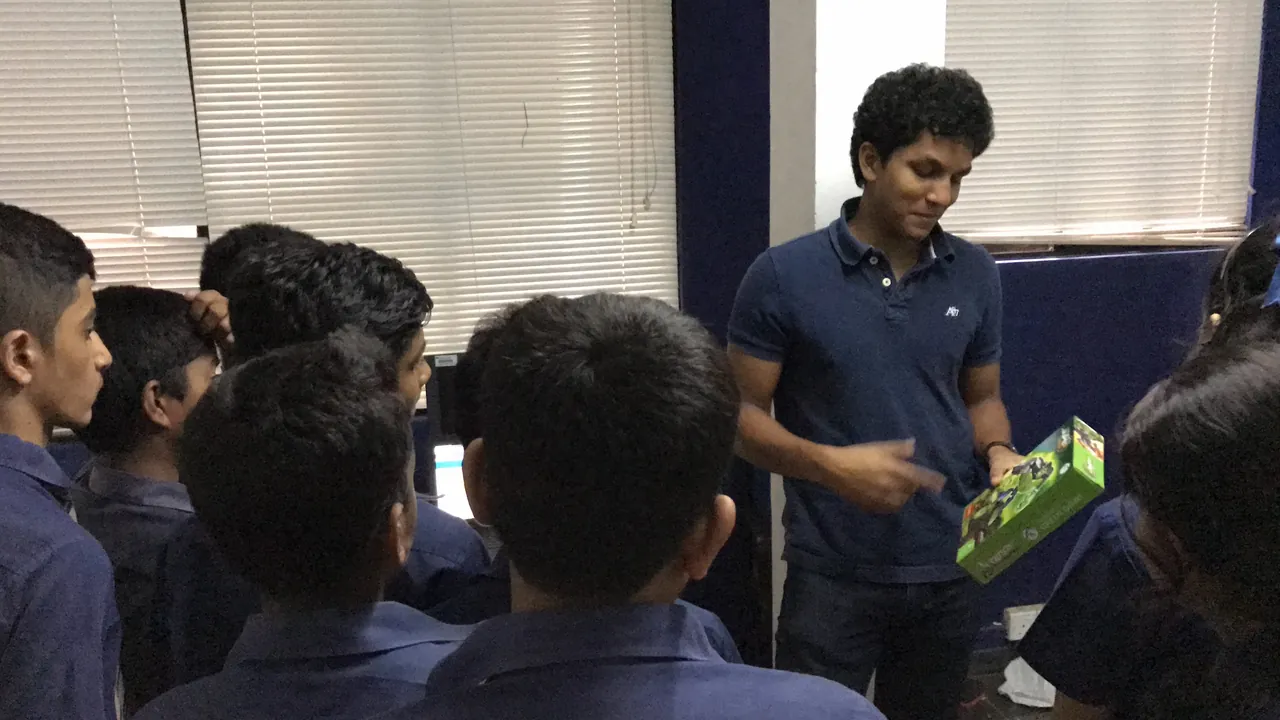
I also began visiting schools to share animation and storytelling. Homeschooling had given me room to follow my interests, and I wanted more students to have that opportunity. I helped schools introduce my project-based curriculum, and later worked with universities in Sri Lanka too.
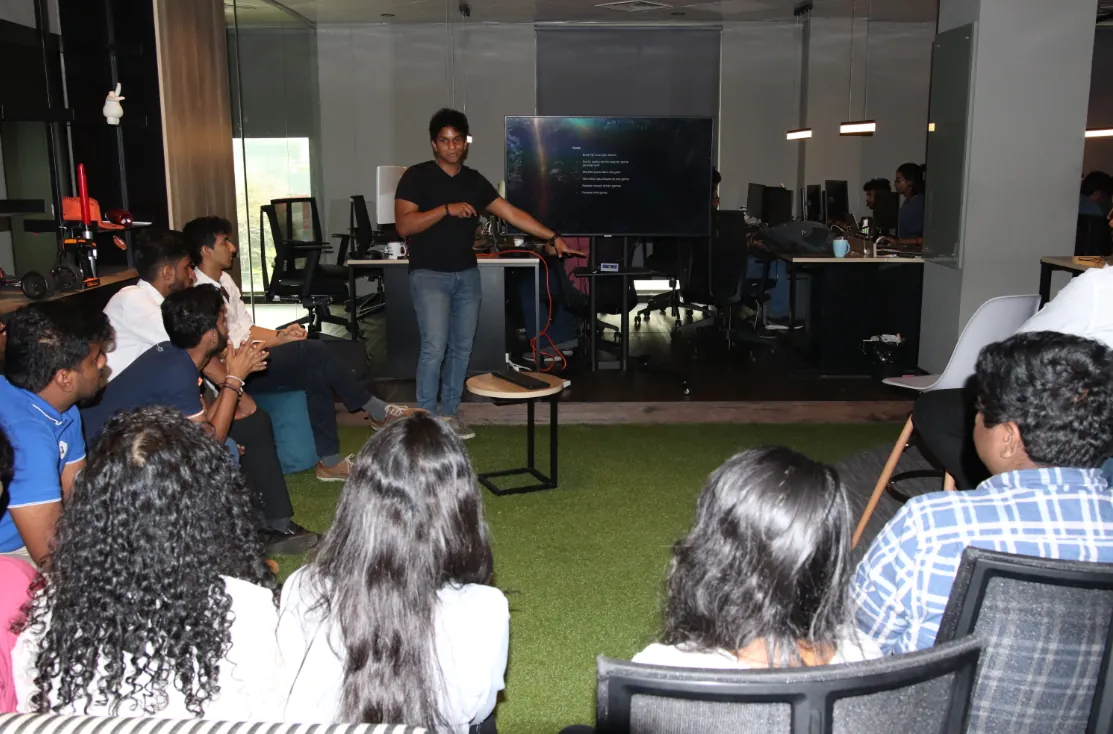
I’d been teaching myself guitar, experimenting with playing it flat on my lap. I wondered why we treated learning an instrument so differently from learning to type. In 2017, I took that question, and my guitar, to TEDxColombo.
After a school visit, I wanted students to be able to keep following what I was learning and building. I began vlogging the work, but making the vlog was becoming a project of its own. That led to Wibble: an app for capturing and editing clips throughout the day, so a vlog would be ready by the evening. I wanted sharing the work to fit around making it. We got the app into the hands of a few hundred users.
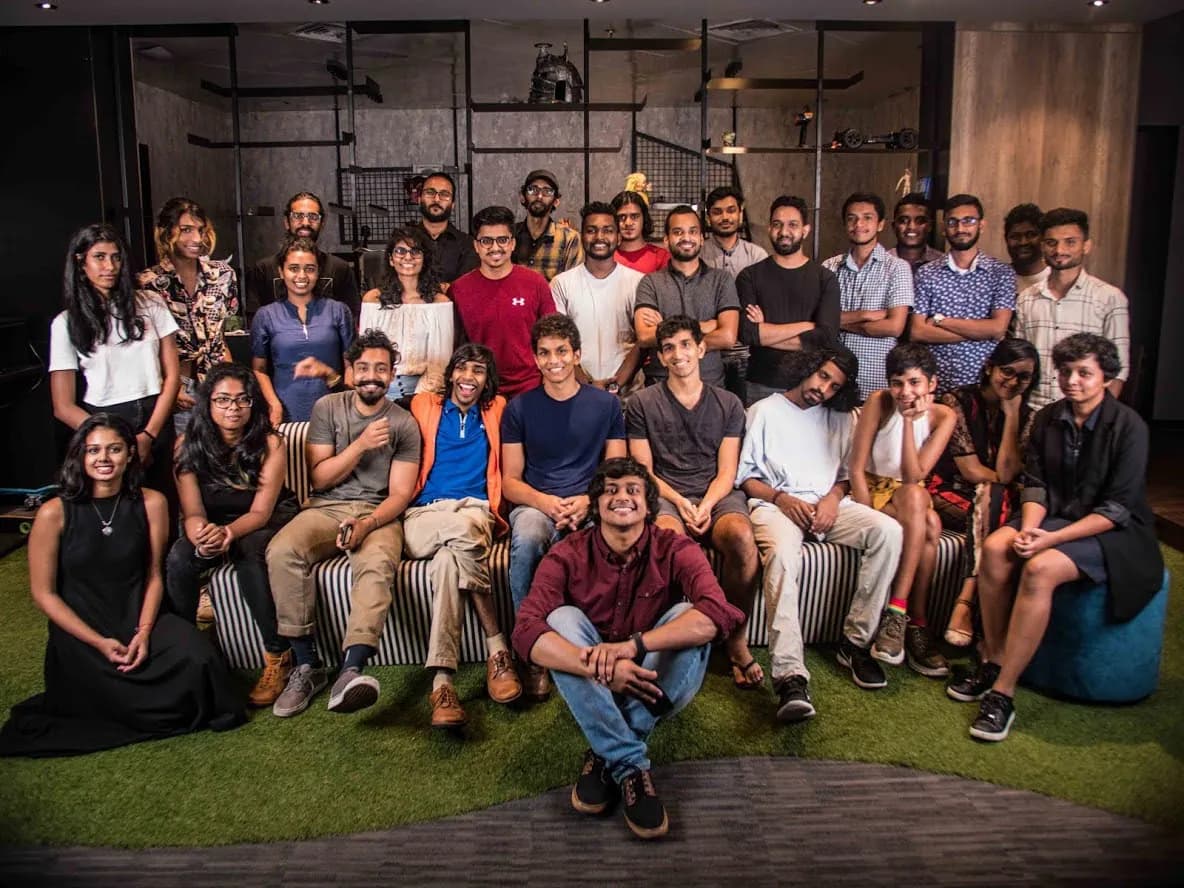
As Motion Miracles grew, we established a base in Singapore and worked with artists and developers around the world. In 2020, our game Tie N’ Dye passed a million downloads in its first week. I later travelled to the US and raised capital for the projects we wanted to build next.
Across Anishwij and the studio’s channels, our animations and tutorials have since been watched more than ten million times.
Learning to build for the web
Around 2022, I had to step away from work to attend to personal matters. I spent much of that time on my own.
At Motion Miracles, I’d led the creative direction on a UNDP survey that our team built with Three.js, bringing animation and game design into the experience. In 2024, I began learning the tool myself.
I was a huge Pokémon fan. Could I make a version to play with friends just by sharing a link? I started building it to find out.
I was back to making a world I wanted to play in, much as I had in Minecraft. This time, I could bring animation and code together to make it work.
As I gradually took on work again, I used what I was learning to build an interactive comic for the Museum of Religious Freedom. I launched it in 2024, the first web experience I’d taken from design to a finished build on my own.
More to explore
By 2025, I was building full-time again. I’m more careful about what I take on now, and about finding a pace I can sustain.
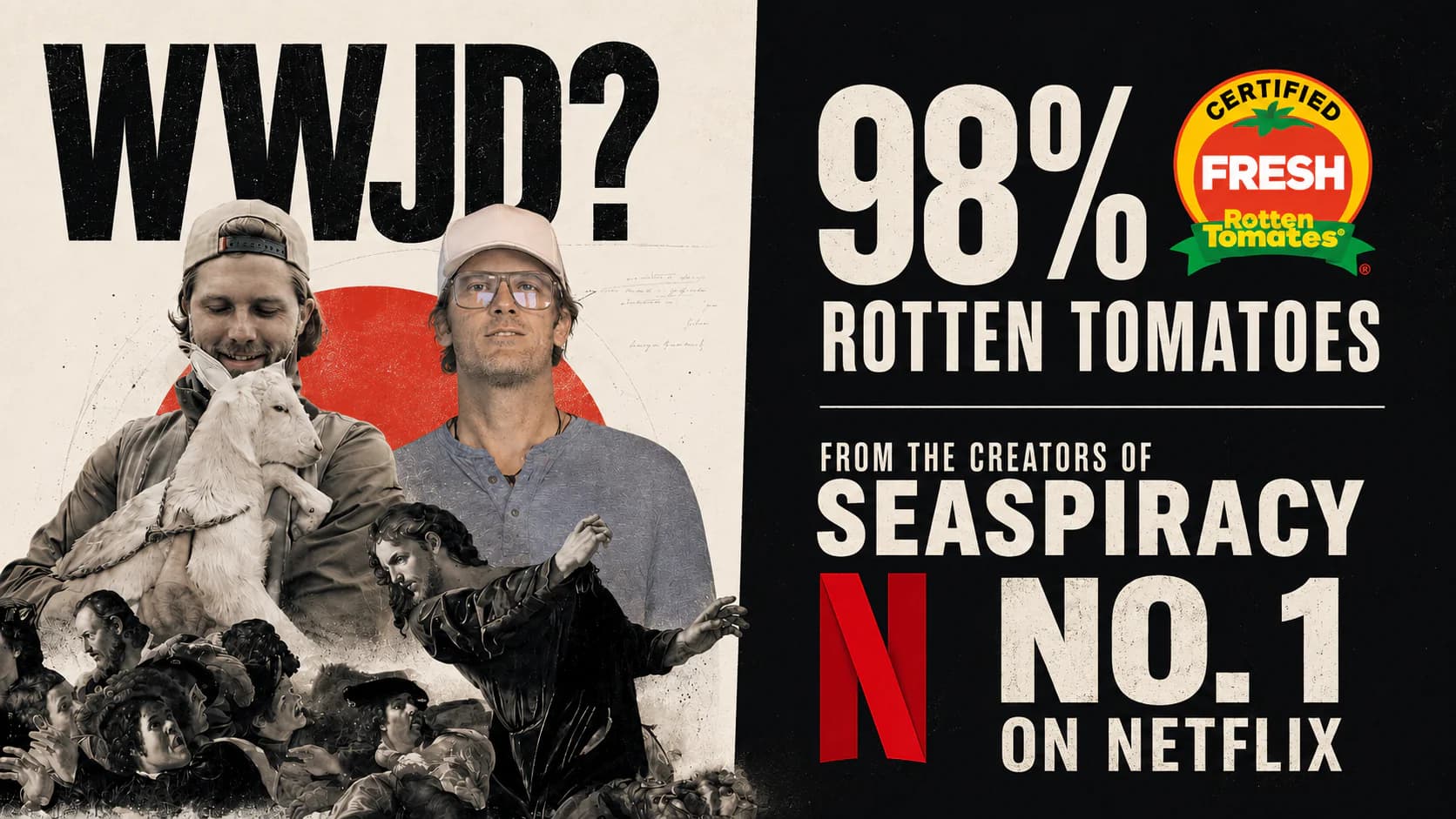
Today, through Mandala Works, I work with teams to shape and build products I believe in. That’s included leading the rebuild of the streaming platform for WWJD?, working with the filmmakers behind Seaspiracy.
AI has brought back a familiar question: could I make that? I’ve always learned by trying to build something. These tools make me want to take another look at ideas that once felt out of reach.
I still love seeing something I’ve imagined become something other people can use or play with. I’m glad I get to keep doing that, and to share what I learn along the way.
Selected case studies, projects, and experiments from my blog.
My roles and a selection of notable projects.
2024–Present
Forward-Deployed Product Engineer
Independent product strategy, engineering, and creative technology for client teams.
2017–2024
Founder & CEO
Founded and grew a game and interactive-media studio to 40+ people across 10 countries.
2011–2017
Creator & Digital Product Builder
Built an animation and tools business for Minecraft creators, starting in my early teens.
Pokémon demo reposted by Three.js
Bruno Simon (@bruno_simon) — Jul 10, 2025
This looks great. …
Three.js reposted my Pokémon project, and Bruno Simon left a comment. I follow their work, so seeing them notice mine felt pretty special.
Playroom (@joinplayroom) — May 6, 2024
oh this looks fire!! 🔥
Wawa Sensei (@wawasensei) — Jul 10, 2025
Crazy to see the progression of your project 🔥 Keep doing, its incredible 😻
I wanted to pet a virtual cow. Getting the hand to move naturally led to a contribution to Three.js. When its creator, Mr.doob, left a heart on the PR, it gave me a bigger boost than I expected. 🐄
mrdoob / three.js: CCDIKSolver: Add blendFactor support #30415
Merged Jan 31, 2025. Mr.doob reacted with a heart.
The hand needed to follow an animation and reach toward the cow. I added a blend factor to Three.js’s CCDIKSolver so I could ease between the animated pose and inverse kinematics, instead of switching abruptly. The clip below is the demo from the PR.
Blending hand animation with inverse kinematics
Pet a cow — An interactive cow scene exploring hand animation and inverse kinematics while petting the animal.
135K+ subscribers; 13M+ views (2026-09-12).
I started sharing what I was making on YouTube, from Minecraft rigs and animations to guitar lessons. Later, we opened up our studio’s process through Team Miracles.
24.1K subscribers (2026-09-12).
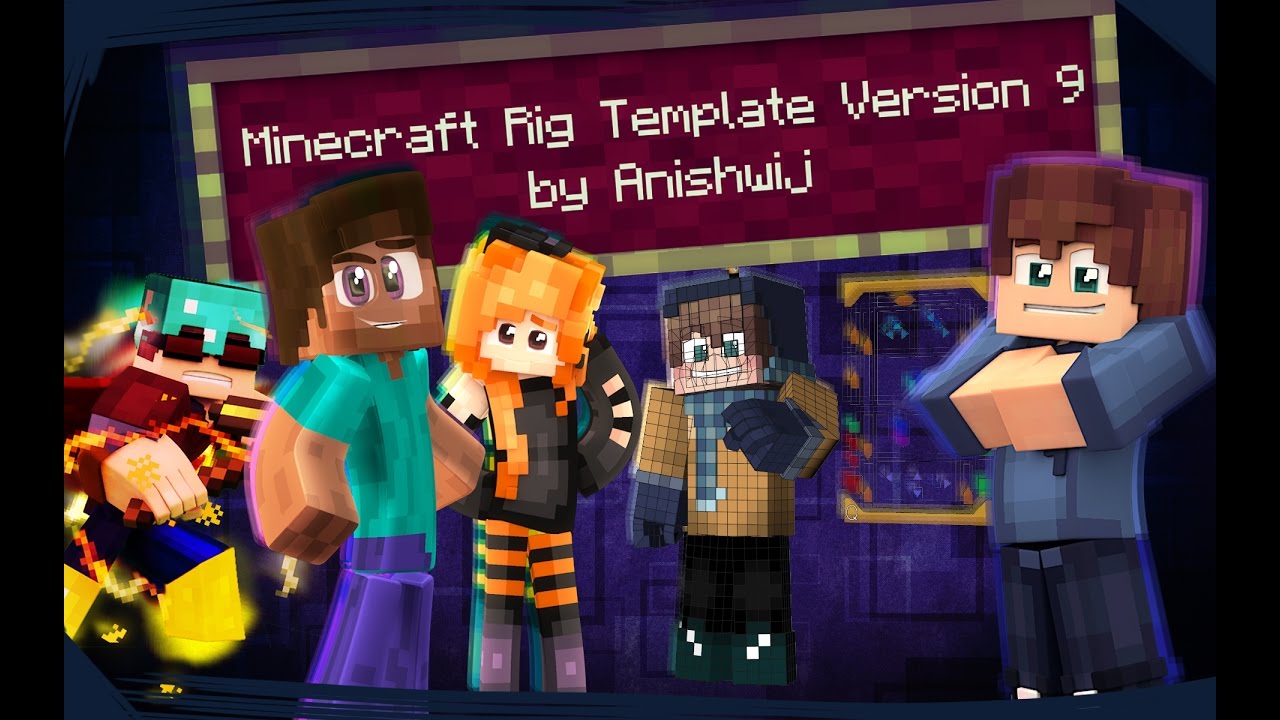
The blocky characters and expressive faces of Minecraft Rig Template V9
Minecraft Rig Template V9 — 229K views.
I made Minecraft rigs so other people could animate with them too. V9 was the most advanced rig I’d built, and the version people downloaded and bought the most. I made tutorials to help them get started with it.
Watch the V9 rig presentation
Cinema 4D - Minecraft Rig Template Version 9 (Presentation)
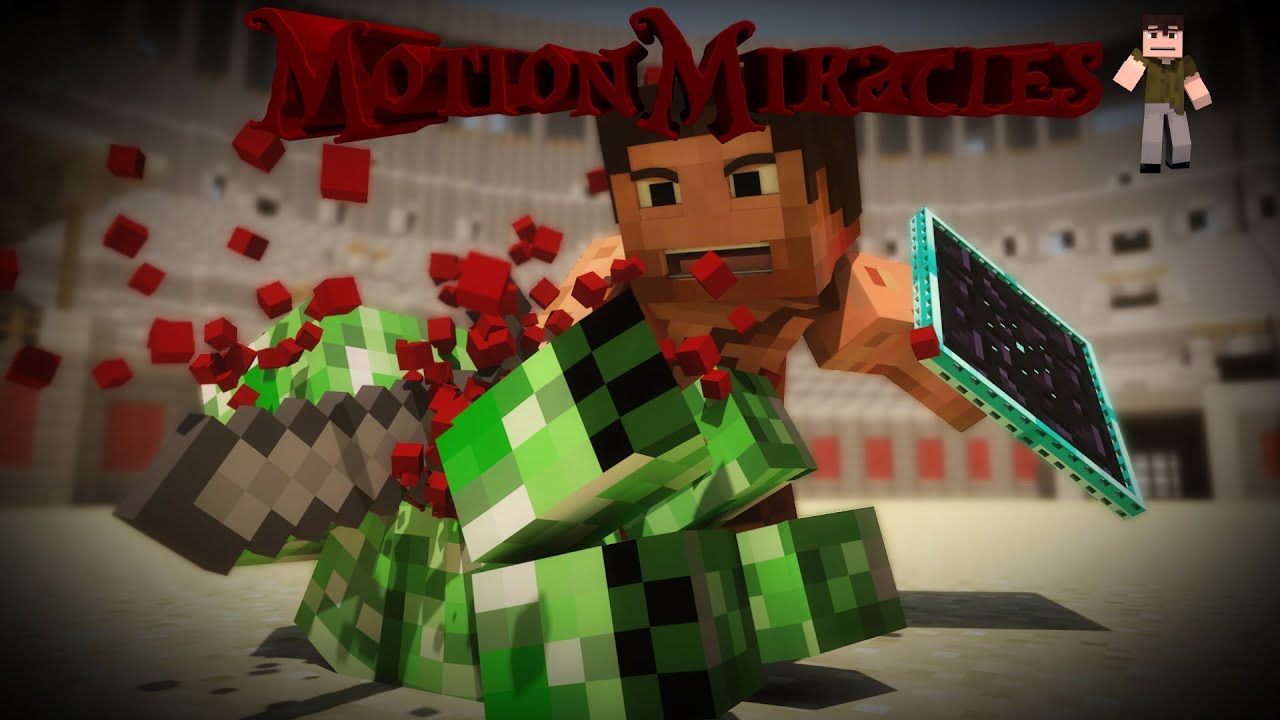
Gladiator was my first attempt at a longer animation. I didn’t expect a Minecraft fight in an arena to reach three million views. It became my first viral video.
Motion Miracles (@MotionMiracles)
36.8K subscribers (2026-09-12).
Gladiator, the Minecraft fight animation on Motion Miracles
Gladiator — Minecraft Fight Animation — 3.1M views.
Watch Gladiator
Gladiator - Minecraft Fight Animation
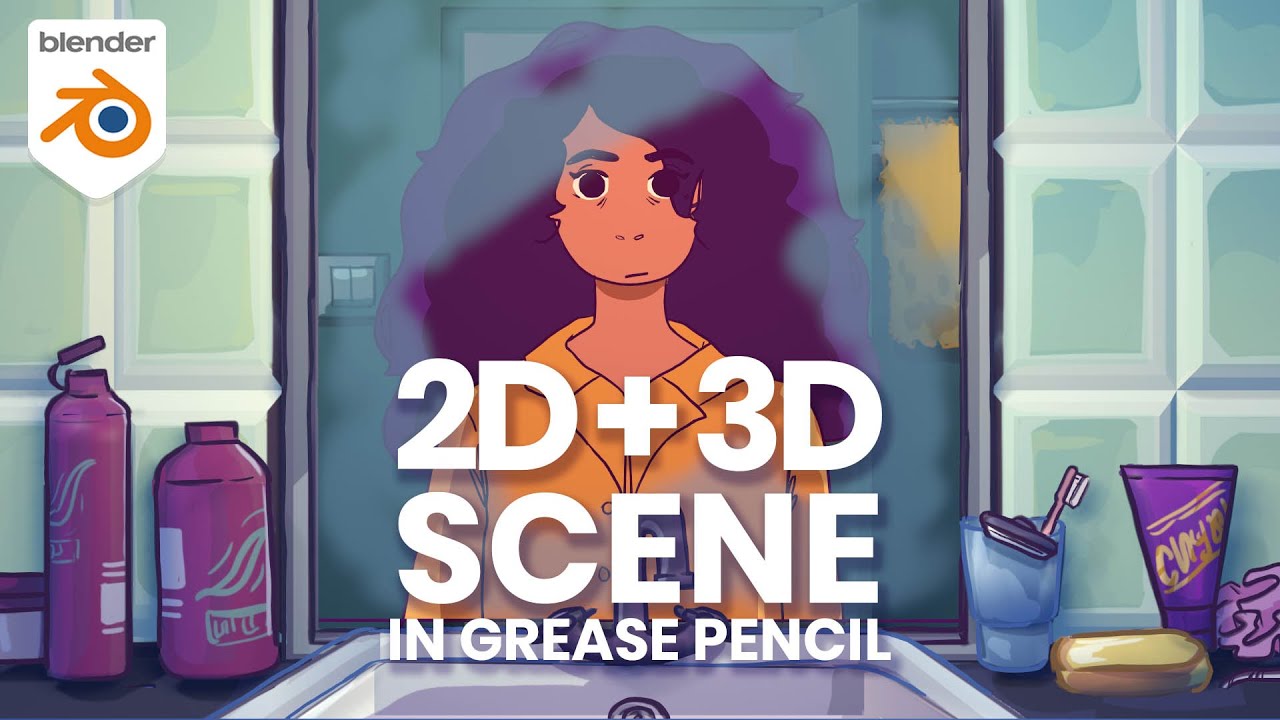
At Team Miracles, we shared how we made things at the studio, from tutorials and project files to production breakdowns. Hairmageddon was a chance for our 2D and 3D departments to make a film together and get to know how each other worked. In this breakdown, Shenuka and Ashwitha show how they combined 2D and 3D in the bathroom scene.
58.7K subscribers (2026-09-12).
The 2D and 3D bathroom scene from the Hairmageddon breakdown
Making Hairmageddon in 2D and 3D — 410K views.
Watch the Hairmageddon breakdown
How We Animated a 2D + 3D scene in Blender!
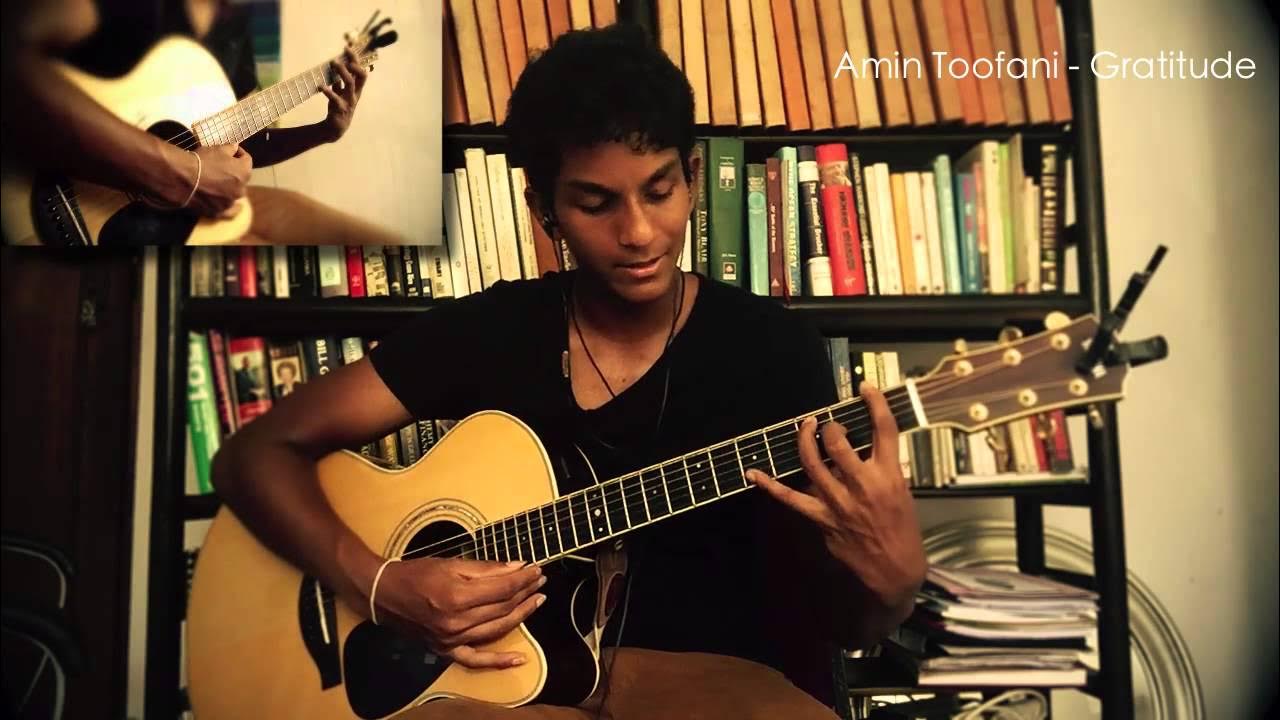
I also filmed a guitar lesson breaking down Amin Toofani’s Gratitude. That tutorial has been watched over 1.7 million times. I’m still surprised that so many people wanted to learn it.
Anish Wijesinghe (@anish.wijesinghe)
15.6K subscribers (2026-09-12).
My guitar tutorial breaking down Amin Toofani’s Gratitude
Gratitude — Guitar Tutorial — 1.7M views.
Watch the Gratitude guitar tutorial
React Three Fiber Showed me what deep knowledge of React can make possible: Three.js scenes built from components. Koota has me exploring the same team's approach to state.
shadcn/ui Opened my eyes to composability and how much a restrained abstraction can do.
PostHog My go-to for instrumentation. Exploring its connected features has taught me so much about product analytics and business intelligence. There's always more I want to try.
Hex Their website inspired this portfolio's design. I love the care they put into data, and keep looking for reasons to use the product more.
React Three Fiber — Showed me what deep knowledge of React can make possible: Three.js scenes built from components. Koota has me exploring the same team's approach to state.
shadcn/ui — Opened my eyes to composability and how much a restrained abstraction can do.
PostHog — My go-to for instrumentation. Exploring its connected features has taught me so much about product analytics and business intelligence. There's always more I want to try.
Neon — Database branching changed how I think about CI/CD. The database can move with the code.
Payload CMS — Opened my eyes to infrastructure as code, with a system I can extend and deploy from my own codebase.
Bun — I admire how a small team keeps finding room to improve tools we take for granted. Their pace makes me rethink what a few strong engineers can build.
Drizzle — I moved from Prisma to Drizzle for the explicitness: strong types without hiding the database.
Hex — Their website inspired this portfolio's design. I love the care they put into data, and keep looking for reasons to use the product more.
Linear — My go-to for managing work. I admire its opinionated approach and how it connects planning with CI/CD.
Tailscale — Paired with Portless, it changed how I manage remote work with Codex and Claude. I rely on both every day.
Rive — So much animation and interaction in such small files. That still amazes me.
Verge3D — Visual programming took me from Blender into web 3D, before I moved to writing scenes in code.
Legend State — Made observer patterns click for me.
Lee Robinson My go-to for making sense of changes in the industry, approaching problems and communicating clearly.
Ilkka Paananen Supercell was a major inspiration for the kind of company I wanted to build and how I wanted its teams to work.
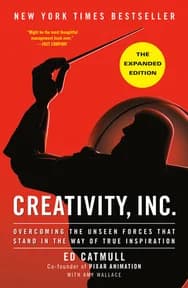
Creativity, Inc.
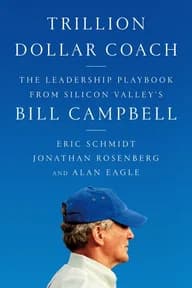
Trillion Dollar Coach
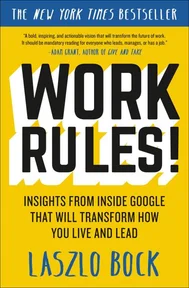
Work Rules!
Lee Robinson — My go-to for making sense of changes in the industry, approaching problems and communicating clearly.
Ilkka Paananen — Supercell was a major inspiration for the kind of company I wanted to build and how I wanted its teams to work.
Shruti Kapoor — Her openness about the emotional challenges of engineering resonated with me. Her mentorship helped me find my footing.
I turned to these books while figuring out how I wanted to lead.
Creativity, Inc. — Ed Catmull with Amy Wallace
Trillion Dollar Coach — Eric Schmidt, Jonathan Rosenberg and Alan Eagle
Work Rules! — Laszlo Bock
I also spent a lot of time watching Y Combinator and Slidebean, exploring the founder side of building products.
Paul Henschel makes me look at familiar tools differently. His story behind React Three Fiber showed me how deeply understanding a tool can lead to unexpected ideas, like bringing React's composability to Three.js. I see that same creative thinking across the Poimandres team.
I looked to Josh W. Comeau's playful site and interactive blog posts as references for what I wanted this portfolio to feel like.
Jay Meistrich's work on Legend State made observer patterns click for me. I follow him for his product thinking as much as his approach to engineering.
I follow Theo, Ben Davis, ThePrimeagen and Forrest Knight to stay current with new technology and hear their perspectives on what's happening in the industry.
Josh Tried Coding and Jan Marshal helped me get started building for the web. Web Dev Simplified helped me get comfortable with more complex Next.js patterns.
Bruno Simon first inspired me to explore Three.js, and Wawa Sensei got me into React Three Fiber.
I'm learning more advanced approaches to 3D graphics from Dan Greenheck.
Two environments we created at Motion Miracles for Rumble Worlds received Sketchfab Staff Picks.
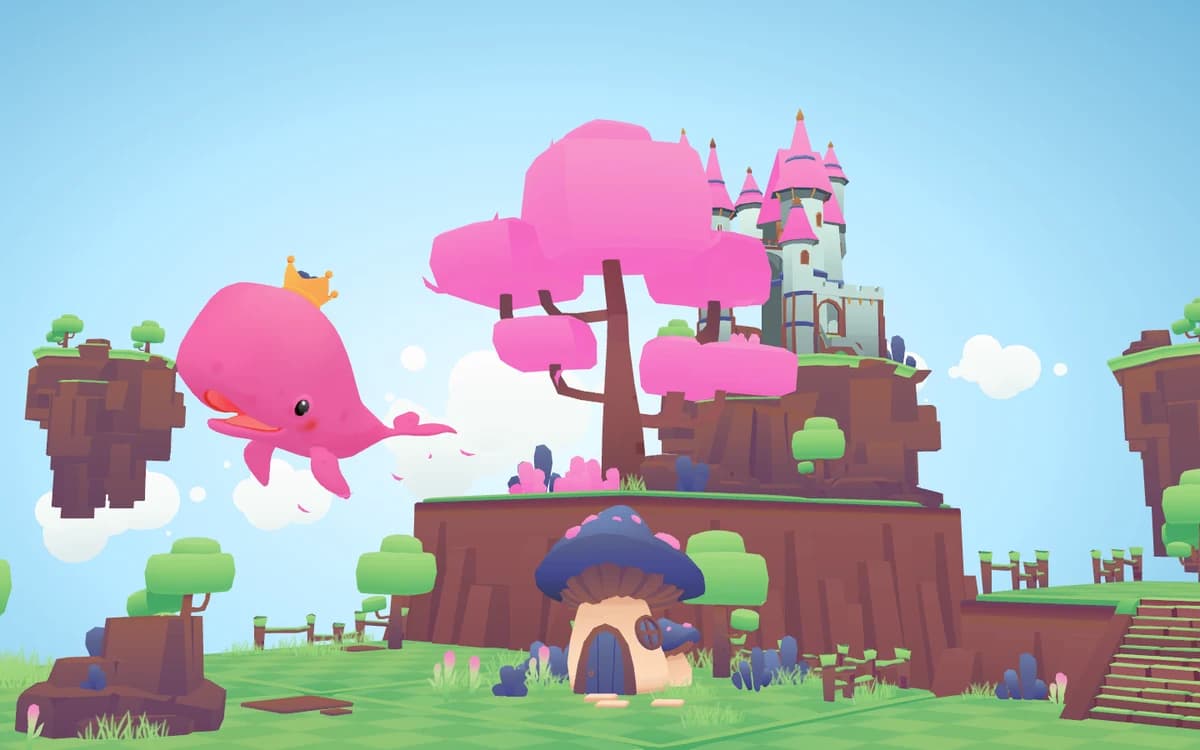
Two environments we created at Motion Miracles for Rumble Worlds received Sketchfab Staff Picks.
Fantasy Environment — An explorable 3D environment from Rumble Worlds featuring floating forest islands and a crowned whale.
View on Sketchfab — Staff Pick
Game Home Center — An explorable 3D environment from Rumble Worlds featuring a retro game centre and neon city.
View on Sketchfab — Staff Pick
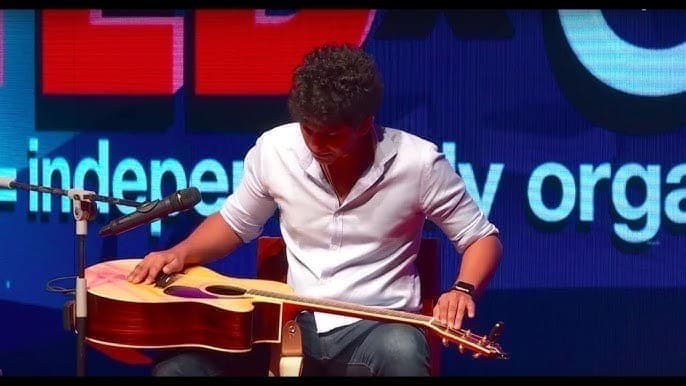
I spoke about curiosity, homeschooling, and questioning the limits adults place on what children can achieve.
TEDxColombo – Breaking Society’s Limitations
I spoke about curiosity, homeschooling, and questioning the limits adults place on what children can achieve.
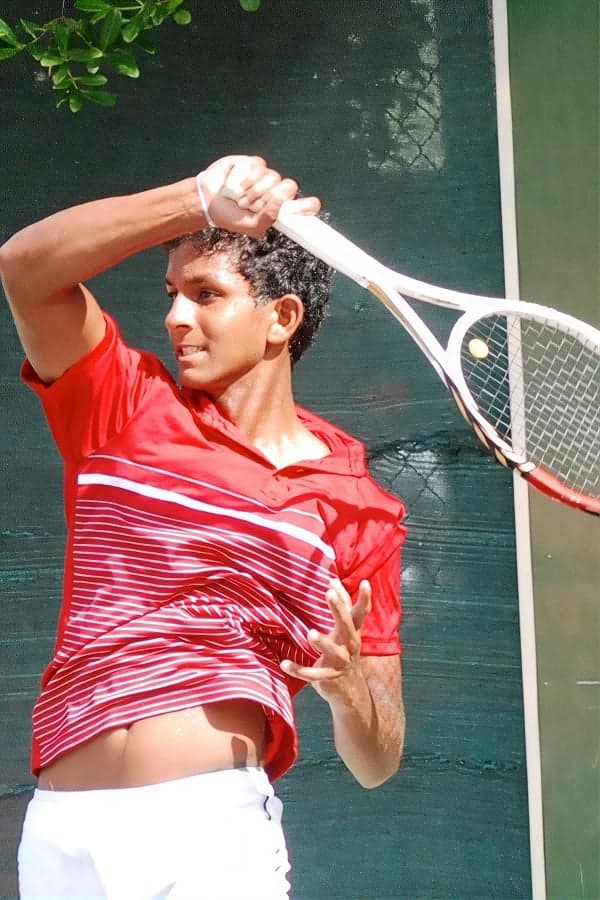
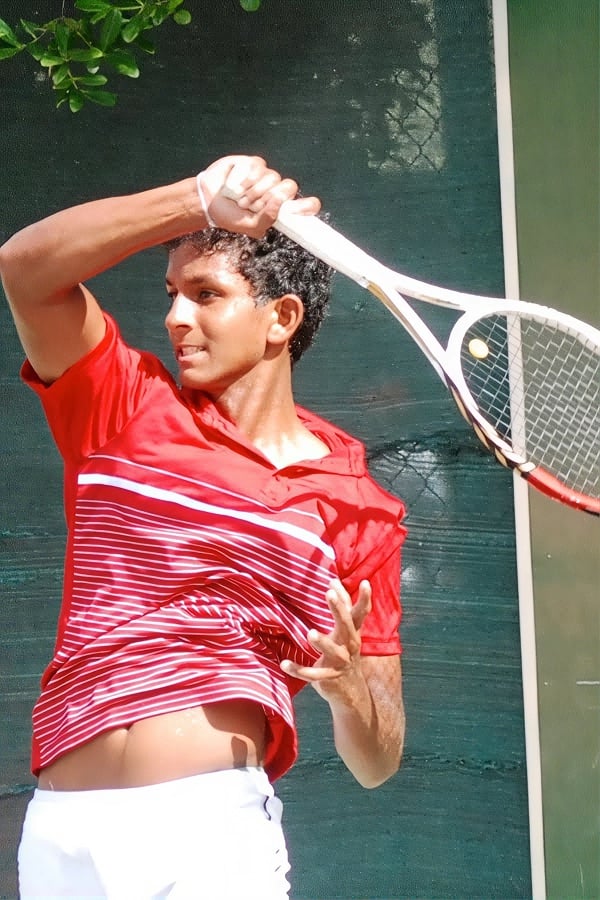
Tennis took me from Sri Lanka to full-time training in Florida and France. I won the Sri Lanka U16 national title in 2013, reached an ITF final in Colombo, and appeared on French TV alongside Olympic gold medallist Yannick Agnel.
Playing a forehand in a red shirt at the Sri Lanka nationals
Tennis took me from Sri Lanka to full-time training in Florida and France. I won the Sri Lanka U16 national title in 2013, reached an ITF final in Colombo, and appeared on French TV alongside Olympic gold medallist Yannick Agnel.
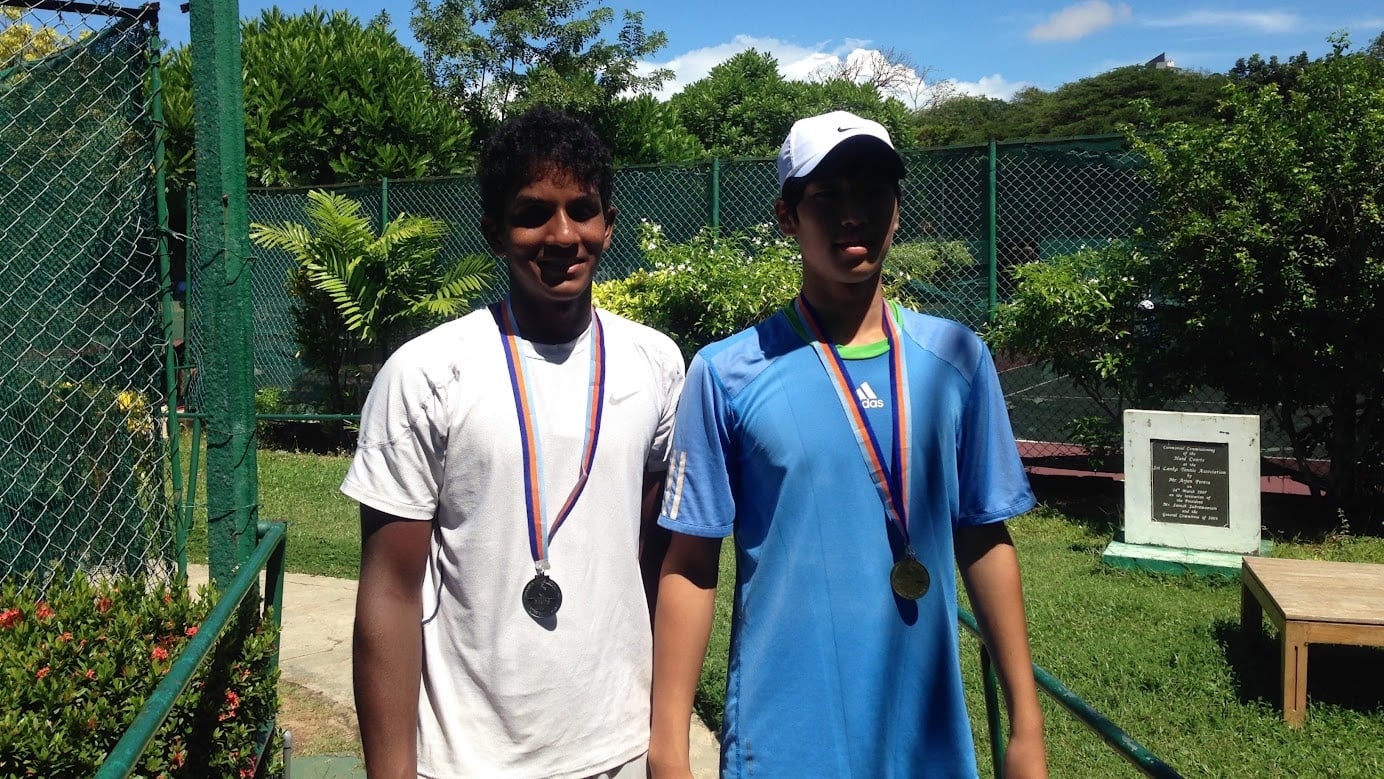
I reached an ITF junior singles final in Colombo, back home in Sri Lanka.
With the other finalist after the ITF junior singles final in Colombo, wearing the silver medal
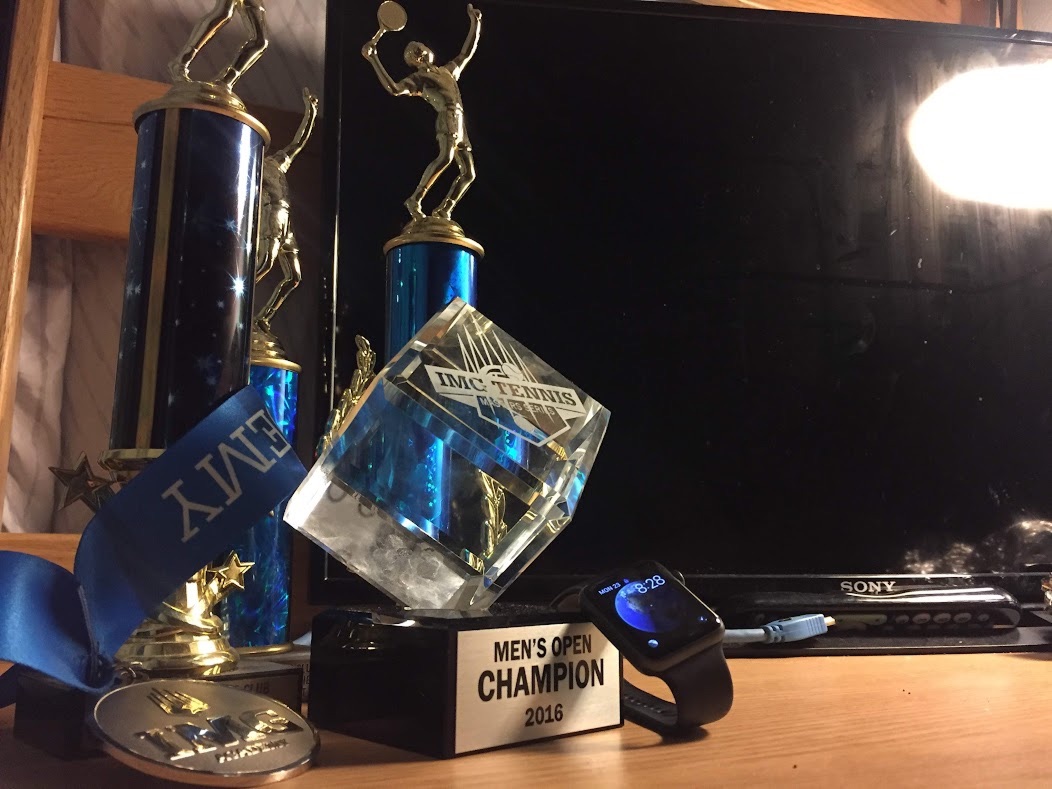
I returned to Nick Bollettieri’s IMG Academy, where I’d trained as a child, and won the Men’s Open at its Masters tournament in 2016.
My IMG Tennis Masters trophy, engraved Men’s Open Champion 2016
Men’s Open Champion, IMG Tennis Masters, 2016.
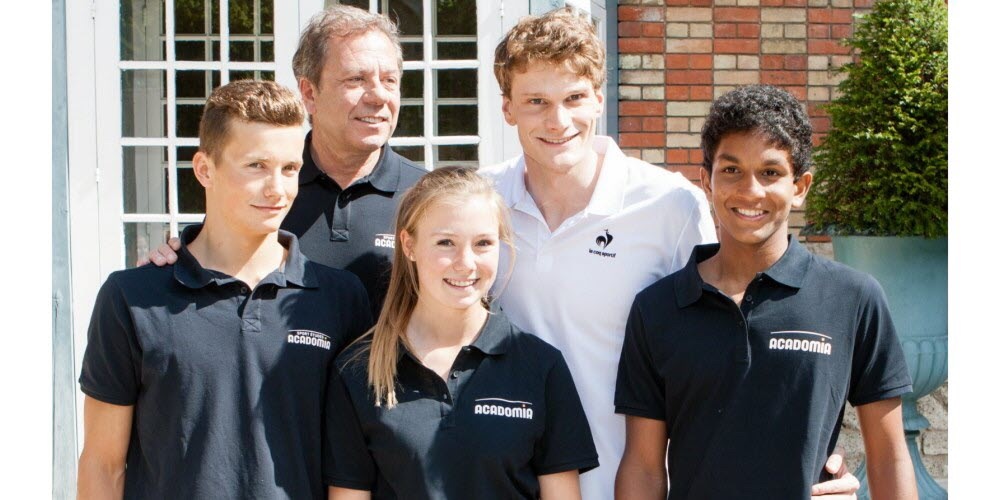
While training at the Players Tennis Academy near Paris, I appeared on French television alongside Olympic gold medallist Yannick Agnel. RMC Sport featured us in a segment about combining sport and school.
With the Acadomia group and Yannick Agnel during the French television feature
Watch the RMC Sport feature
Sport-Études / Agnel soutient Acadomia
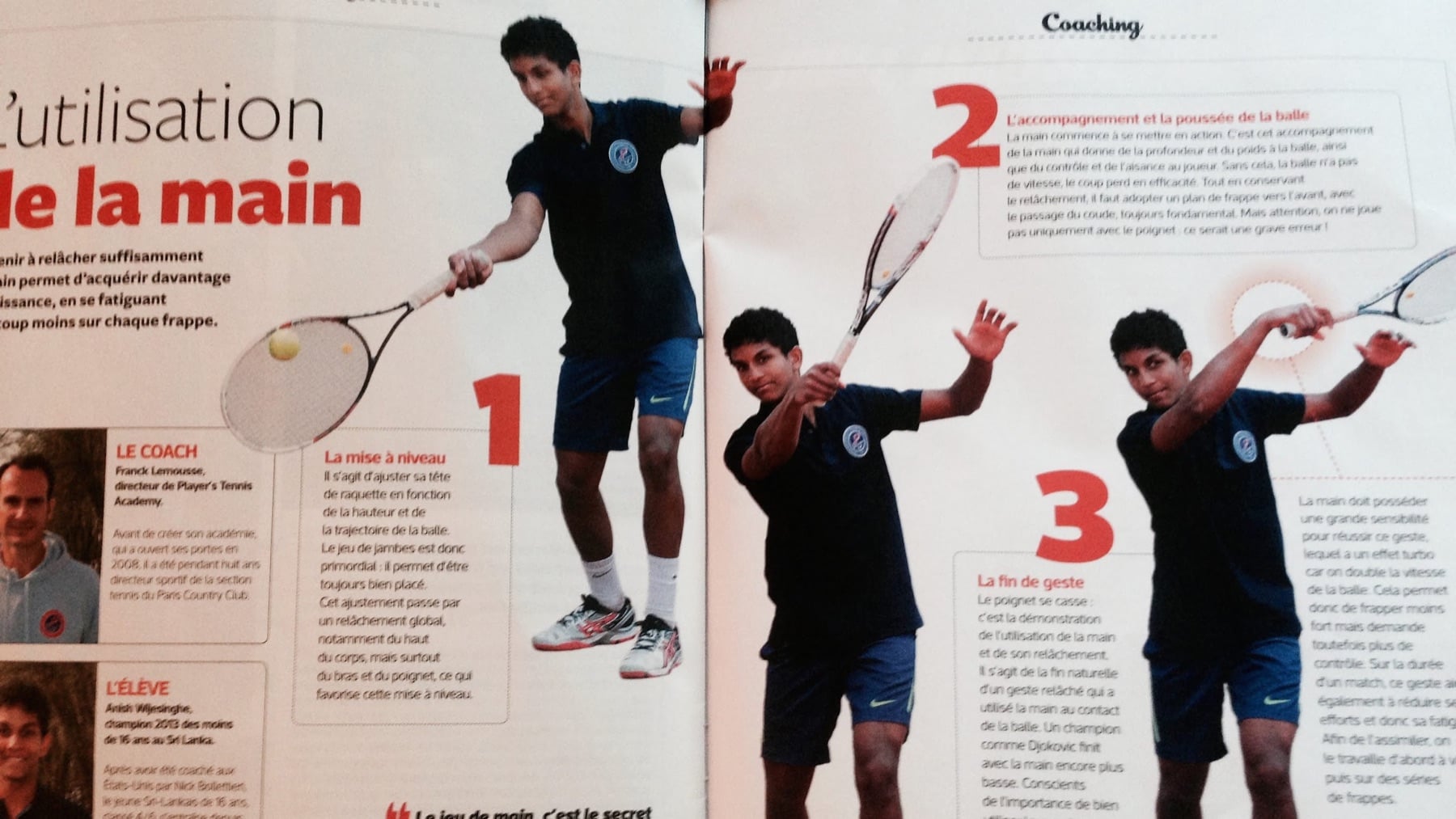
I also appeared in a French tennis magazine, demonstrating forehand technique with my coach.
A French tennis magazine spread showing me demonstrating a forehand
Demonstrating forehand technique for a French tennis magazine.
I work with teams to shape and build products. Have a project in mind, a role to discuss, or just want to say hello? Send me an email. I’d love to hear from you.